India · Oman · Sri Lanka · Qatar · United Arab Emirates
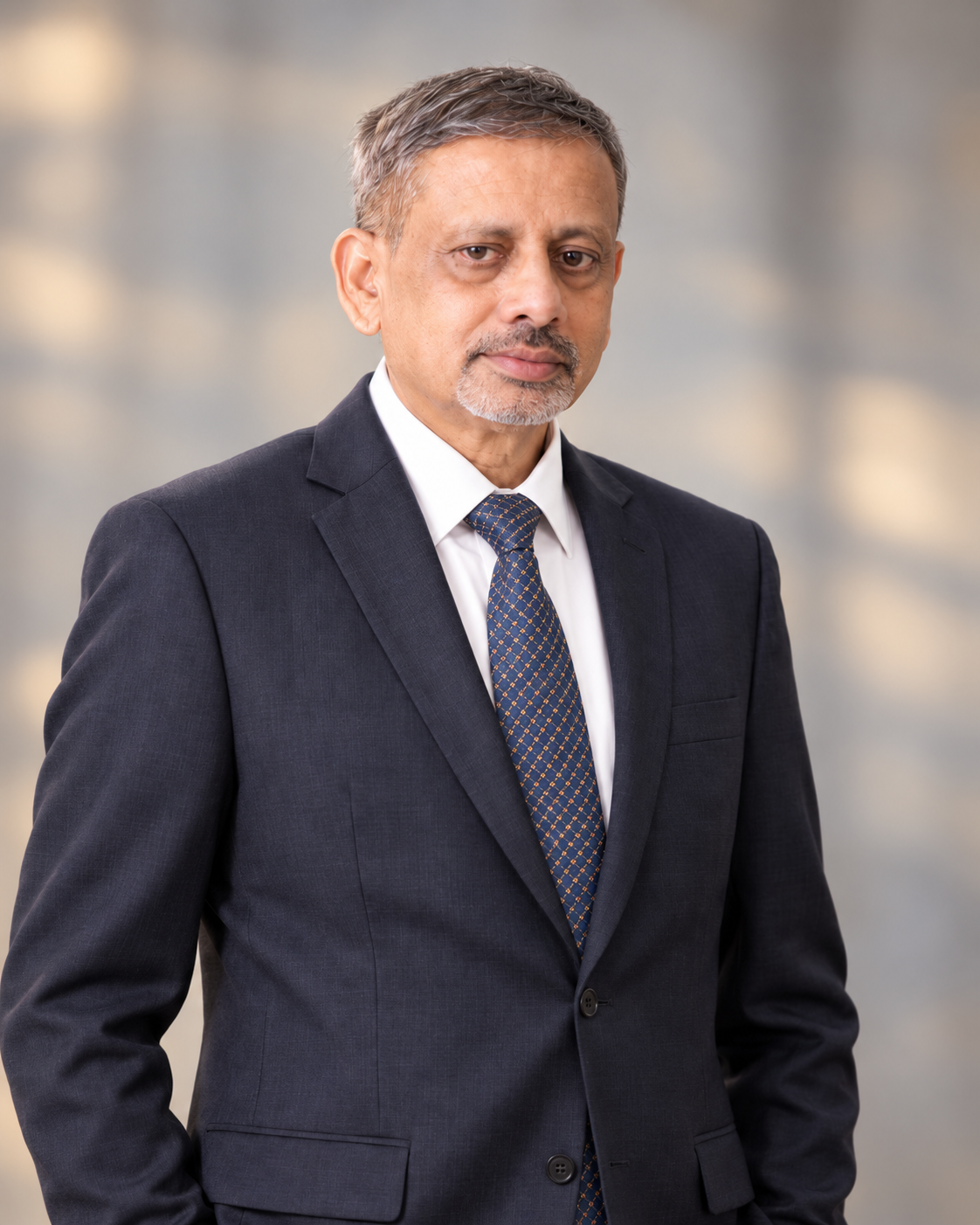
Basavaraj Hiremath
B.E. (Civil), C.Eng (UK), MICE (UK), PMP (USA)
Infrastructure · Project Governance · Risk · Board & Advisory
Thirty-eight years directing the construction of highways, bridges, tunnels and large land developments — on the client’s side of the contract, in the supervision team that certifies what is built, what it costs, and what it is worth.
- Years in infrastructure delivery
- 38Years in infrastructure delivery
- Countries of project delivery
- 5Countries of project delivery
- Largest single scheme supervised
- AED 1bnLargest single scheme supervised
- Engineering Council, United Kingdom
- C.EngEngineering Council, United Kingdom
Profile
Basavaraj Hiremath is a Chartered Engineer with thirty-eight years in the project and construction management of major infrastructure — highways and expressways, bridges, tunnels, sewage treatment plants and large-scale land development — delivered across India, Oman, Sri Lanka, Qatar and the United Arab Emirates.
For most of that career he worked on the client’s side of the contract, within the Engineer’s supervision team — as Resident Engineer and Senior Resident Engineer for Muscat Municipality, the Public Works Authority of Qatar, Sharjah RTA, the National Highways Authority of India, the Maharashtra State Road Development Corporation and World Bank project management units. That is the side of the table that measures progress, values variations, assesses contractor claims and recommends completion: the work that determines, contractually, what a project turns out to be worth.
He has supervised work funded by the World Bank and the Asian Development Bank, administered FIDIC-form contracts on both multilateral and sovereign projects, and taken schemes from AED 27 million to AED 1 billion through to handover.
“We build a better world through better engineering. I have always believed that waste and emissions are ultimately signs of inefficiency, and that it is our responsibility as engineers to reduce them wherever possible. Our role is to apply engineering knowledge to deliver what society needs safely, to the highest standards of quality, more efficiently, more economically, and, wherever possible, better than it has been done before.”
That conviction is the whole of his governance outlook. Waste, rework, delay, injury and emission are not separate problems on a construction project; they are the same failure of discipline appearing in different columns of the report.
A practitioner’s view of project risk
Five things a career spent scrutinising other people’s work teaches you to look for.
- 01
Project and execution risk
Capital projects fail slowly and then all at once. Having run site supervision on schemes up to AED 1 billion, he can read a progress report against what is actually happening on the ground, and recognise the early signals — drifting interfaces, unresolved design, quiet float consumption — well before they surface as a profit warning.
- 02
Contracts, claims and certification
Thirty-eight years working under FIDIC-form contracts on the employer’s side — valuing variations, assessing extensions of time (EOT) and evaluating contractor claims as Resident Engineer and Senior Resident Engineer, under the delegated authority of the Engineer. He understands, from the side that scrutinises them, how claims are built, defended and settled — and what a receivable is genuinely worth.
- 03
Safety as a governance metric
Recognised by Parsons for ten million safe man-hours without a lost-time injury (LTI) on the Jebel Ali Hills development. He treats safety performance as a leading indicator of operational control, not a compliance line — because on a site, the two are inseparable.
- 04
Sustainability and reporting
Formally certified in sustainability and corporate ESG, and long practised in the resource discipline that underlies it. On a site, environmental performance and operational control are the same discipline measured twice — water recovered, material reused, plant idling, spoil hauled. The numbers that look like compliance are usually the numbers that predict cost.
- 05
Multilateral and cross-border delivery
Projects funded by the World Bank and the Asian Development Bank, and delivered under five national regulatory regimes. Familiar with the procurement discipline, audit exposure and documentation standards that multilateral funding imposes on a contractor.
Career
Thirty-eight years, five countries, consistently on the client’s side of the contract.
2024 – present
Independent practice and community service
India
Social development and community governance through Rotary International, District 3170, alongside independent professional practice.
2014 – 2023
Senior Resident Engineer
Parsons International — Dubai, UAE
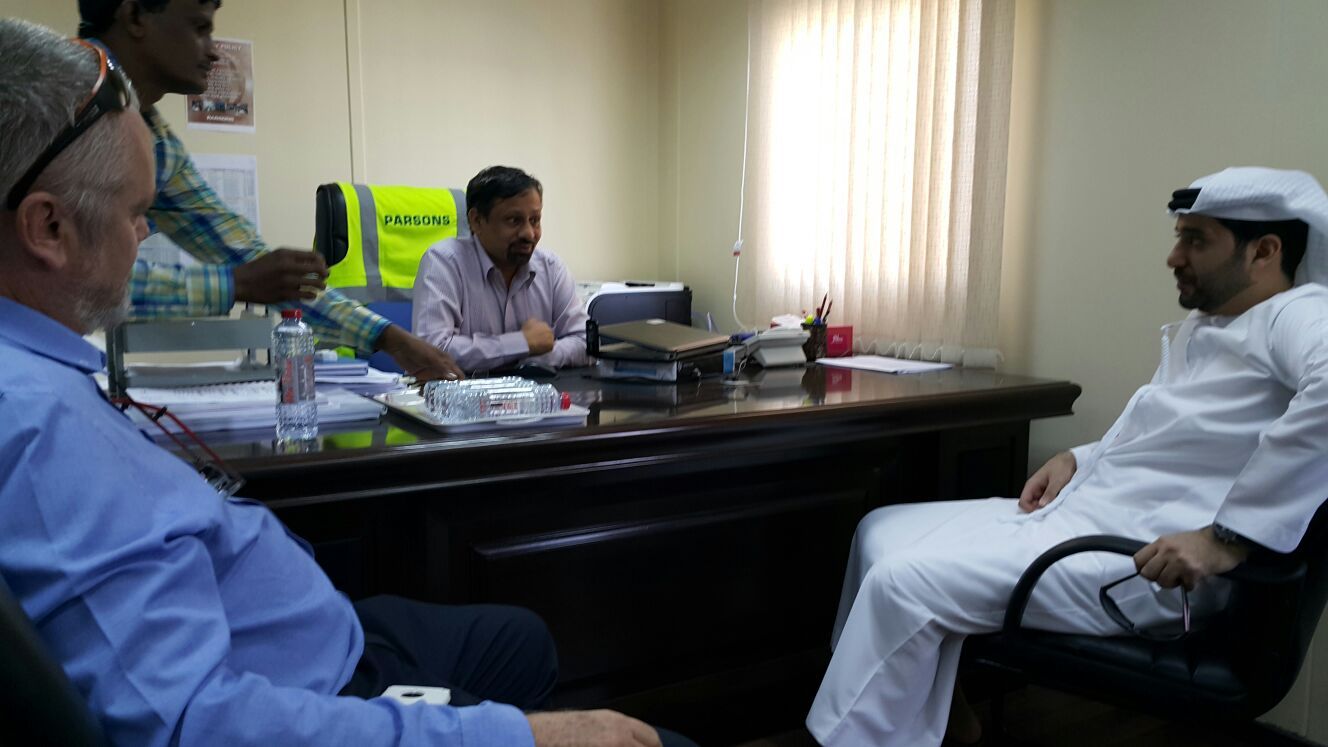
Five consecutive appointments for Meraas (Dubai Properties), Sharjah RTA and Arada, spanning land development, a major hill road, and community landscape and streetscape works.
2011 – 2014
Senior Resident Engineer
KEO International Consultants — Doha, Qatar
Construction management of the eight-lane F-Ring Road motorway for the Public Works Authority (Ashghal), under Kellogg Brown & Root as project management consultant.
2008 – 2011
Resident Engineer
Parsons International — Muscat, Oman and Dubai, UAE
The Wadi-Qurm bridges for Muscat Municipality, and the Arabian Canal development for Limitless.
2004 – 2008
Resident Engineer, then Senior Resident Engineer
Egis BCEOM — Tuticorin, India and Colombo, Sri Lanka
Four-laning of the Tuticorin–Tirunelveli road for the National Highways Authority of India, followed by the World Bank–aided Road Sector Assistance Programme in Sri Lanka.
2000 – 2004
Resident Engineer
Renardet S.A. & Partners — Muscat, Oman
Rehabilitation of the Sultan Qaboos Highway for Muscat Municipality.
1998 – 2000
Senior Resident Engineer
Frischmann Prabhu — Mumbai, India
Project management consultancy for the Mumbai–Pune Expressway, India’s first access-controlled expressway, for the Maharashtra State Road Development Corporation.
1996 – 1998
Project Manager, Roads
Galfar Engineering — Nizwa, Oman
A 180-kilometre flexible pavement road for Petroleum Development Oman, the Shell joint venture.
1986 – 1996
Highway Engineer
Larsen & Toubro, Atlanta Construction, Ashraya Constructions — India
Formative years on World Bank and Asian Development Bank–funded state highway programmes in Karnataka and Maharashtra.
Selected projects
Project and programme values as stated in the project record. In each case the role was on the client’s side, within the supervision team.
2014 – 2017
Jebel Ali Hills development
Meraas (Dubai Properties), Dubai
Infrastructure across 680 acres — roads, bridges, an MBR sewage treatment plant of capacity up to 1.2 million litres per day, drainage and telecommunications, including a treated water storage (TSE) facility.
AED 1 billion
2008 – 2009
Arabian Canal
Limitless, Dubai
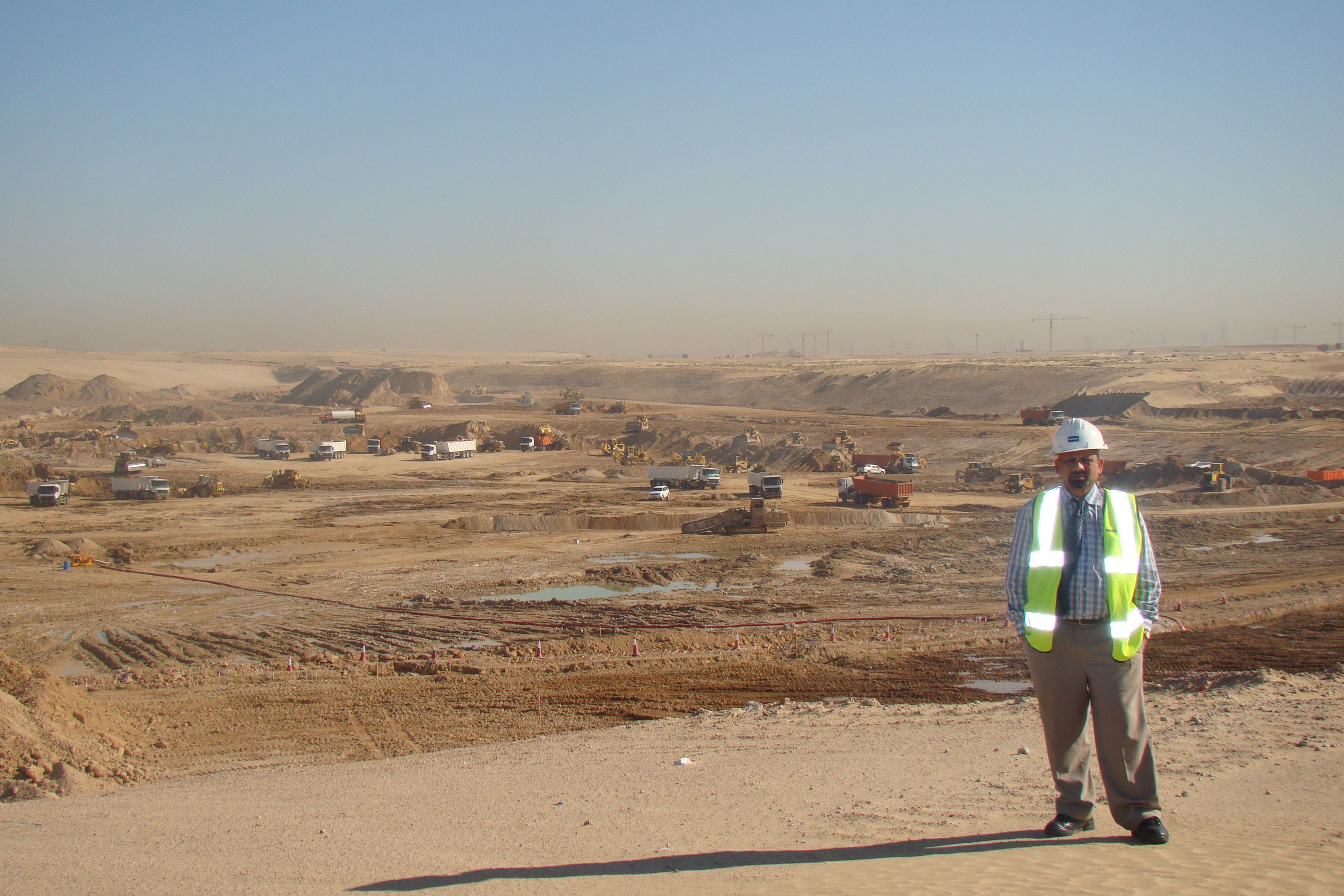
One of the largest earthmoving undertakings attempted in the Gulf: a 75-kilometre inland waterway and the land development along it, with 1.1 billion cubic metres of sand to be excavated across the wider scheme. Supervision of a US$ 1.15 billion package of the bulk excavation works. The programme was halted at the onset of the global financial crisis.
US$ 1.15 billion
supervised package · US$ 10.4 billion overall programme
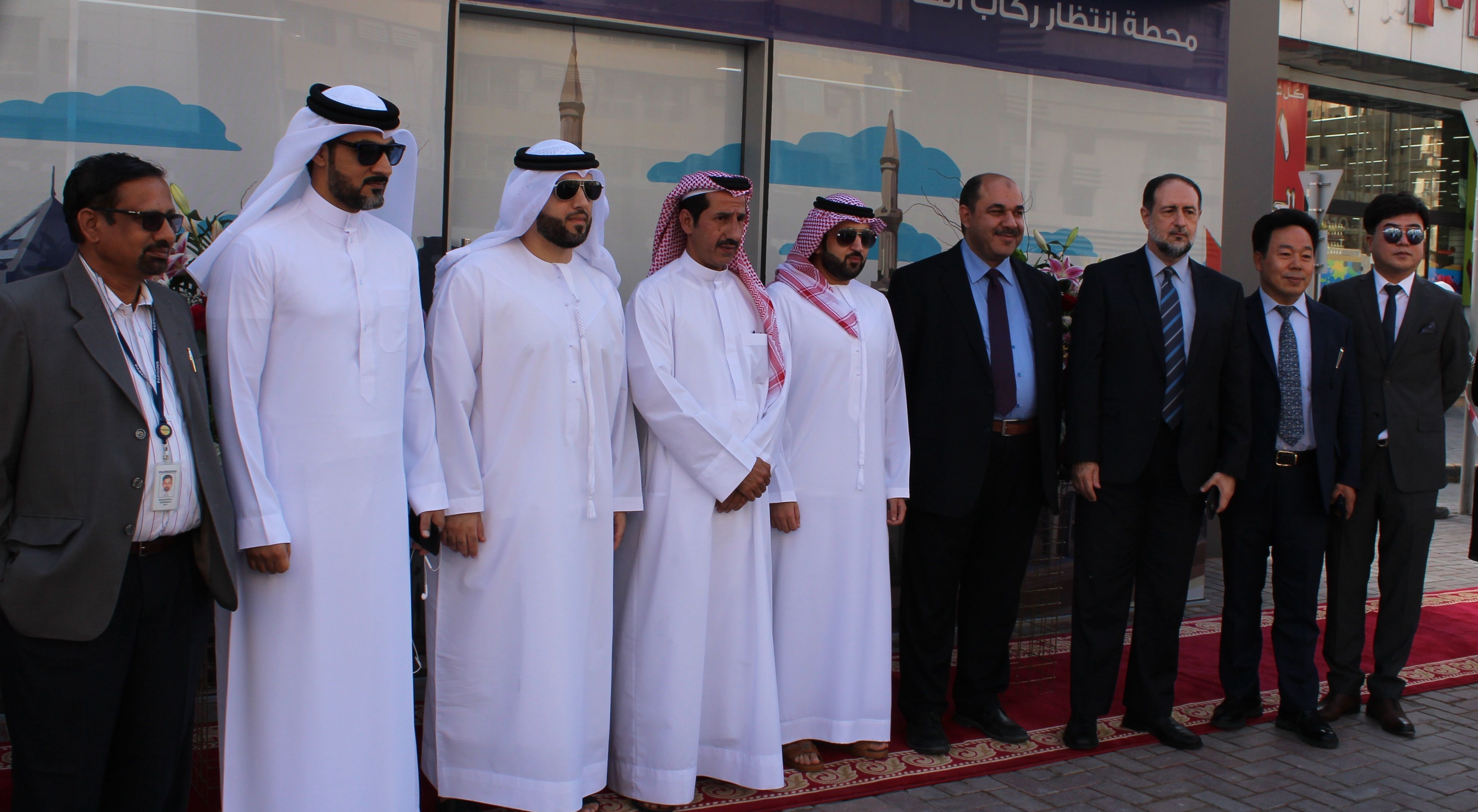
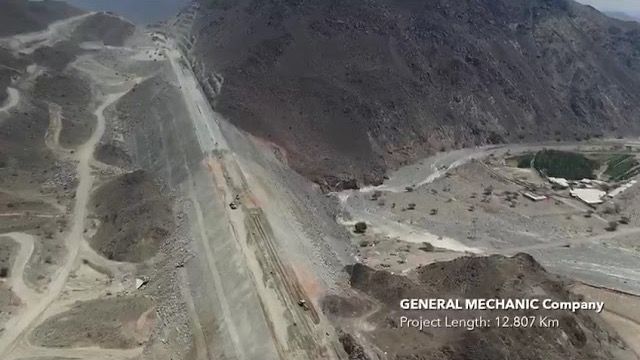
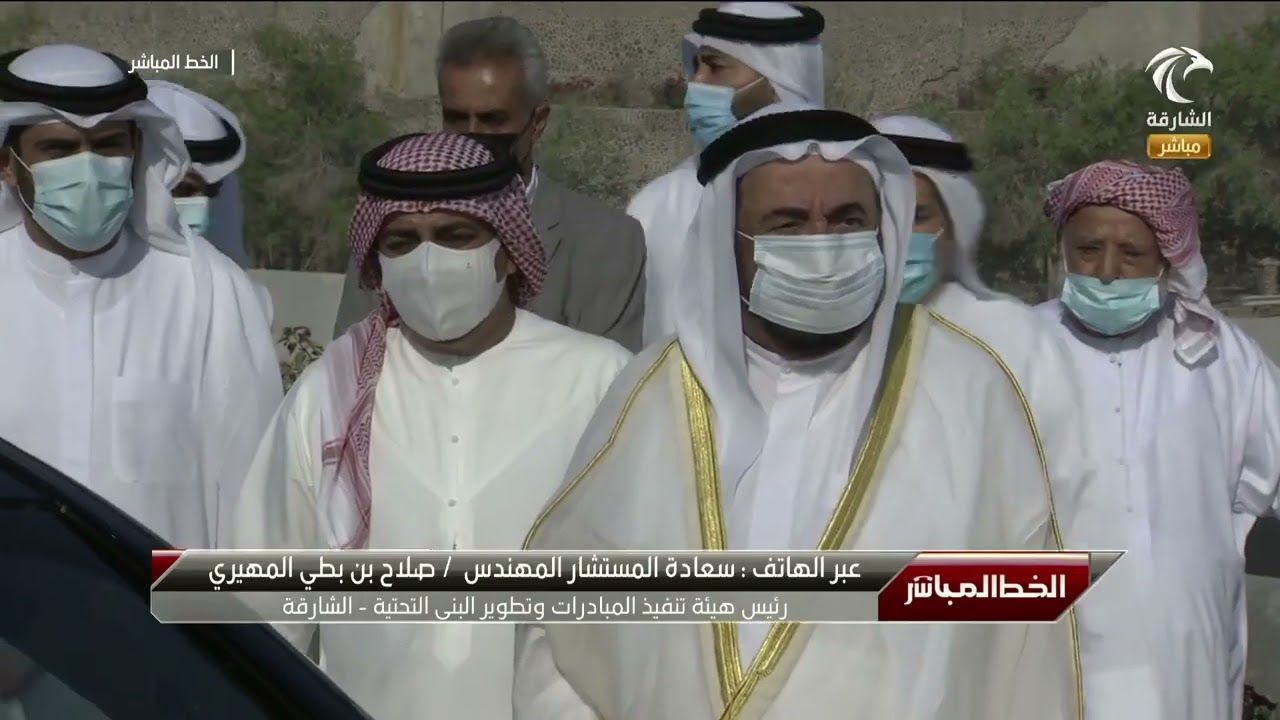
Under construction — the alignment through the hillside cutting, with haul roads and benched slopes in progress. The opening ceremony, attended by His Highness Sheikh Dr Sultan bin Muhammad Al Qasimi, Member of the Supreme Council and Ruler of Sharjah. Live coverage, Sharjah TV. 2019 – 2021
Wadi Helou hill road
Sharjah RTA
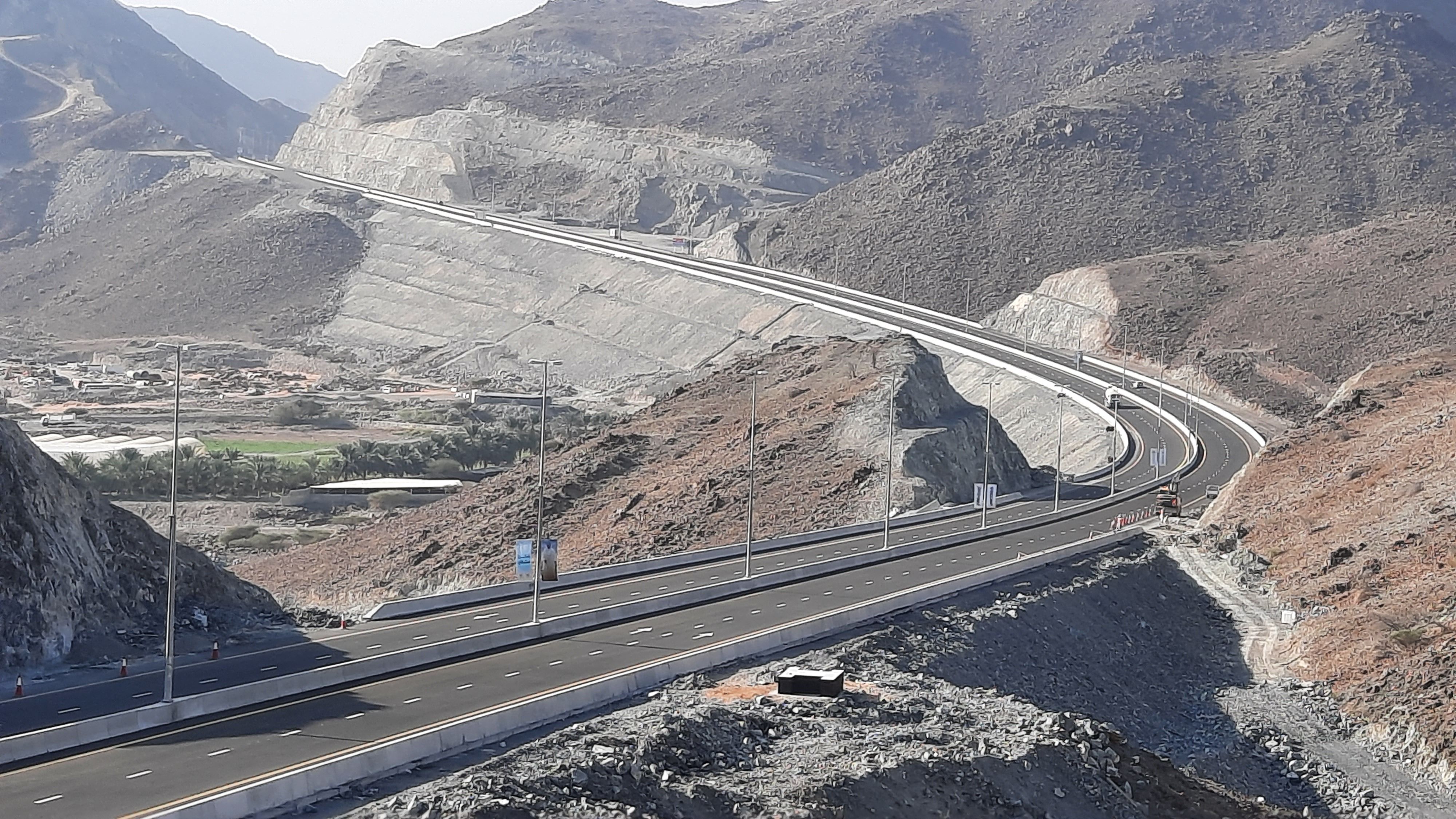
12.5 kilometres of hill road through the Wadi Helou corridor: 6.5 million cubic metres of rock excavation and fill, slope stabilisation by rock bolts, anchors and shotcrete, and three major interchanges. Opened by the Ruler of Sharjah.
AED 900 million
2011 – 2014
F-Ring Road motorway
Ashghal, Qatar
An eight-lane access-controlled motorway forming part of the Doha Expressway programme.
QAR 950 million
2009 – 2011
Wadi-Qurm bridges
Muscat Municipality, Oman
Construction supervision of the Wadi-Qurm bridge structures.
OMR 110 million
2006 – 2008
Road Sector Assistance Programme
World Bank PMU, Sri Lanka
Six packages under a World Bank–aided national road programme.
US$ 200 million
2021 – 2022
Masaar
Arada, Sharjah
Full infrastructure for a forested community development — jogging and cycling networks with underpasses, roads, drainage, sewage treatment plants, irrigation, telecommunications and power.
AED 300 million
1998 – 2000
Mumbai–Pune Expressway
MSRDC, India
Project management consultancy on India’s first six-lane access-controlled concrete expressway.
US$ 61 million
2004 – 2006
Tuticorin–Tirunelveli four-laning
NHAI, India
Four-laning of a national highway corridor in Tamil Nadu.
₹ 2,250 million
2000 – 2004
Sultan Qaboos Highway rehabilitation
Muscat Municipality, Oman
Rehabilitation of Oman’s principal highway corridor.
US$ 89 million
Sustainability and safeguards
Environmental performance has been a working constraint on these projects, not a reporting exercise added afterwards.
The conviction that waste and emission are the same failure as delay and rework is not a recent position. It is what four decades of building in water-scarce, heat-stressed and ecologically sensitive places teaches an engineer who has to sign the certificate.
Water recovery and reuse
A sewage treatment plant using membrane bio-reactor technology at the Jebel Ali Hills development, treating up to 1.2 million litres a day into a treated water storage (TSE) facility for reuse in irrigation across 680 acres.
Protected tree relocation
Relocation of 6,500 ghaf trees during site preparation at Nad Al Sheba, Dubai — the ghaf being the national tree of the United Arab Emirates and a protected species — rather than clearance, alongside 1.5 million cubic metres of earthworks.
Slope stability and flood protection
Slope stabilisation by rock bolt, anchor and shotcrete across 6.5 million cubic metres of rock excavation on the Wadi Helou hill road, with embankment and wadi protection works designed to manage erosion and flash-flood flows.
Low-carbon mobility and public realm
Connected jogging and cycling networks with grade-separated underpasses at Arada’s Masaar woodland community and the 6-kilometre Jumeirah Beach jogging track; public parks, community gardens, pedestrian walkways and integrated irrigation across the Majan and Arjan communities for Dubai Properties.
Multilateral safeguard regimes
Road programmes funded by the World Bank in Sri Lanka and Maharashtra and by the Asian Development Bank in Karnataka — funding that carries environmental and social safeguard conditions, and the documentation and audit exposure that come with them.
Safety performance
Ten million safe man-hours without a lost-time injury on the Jebel Ali Hills development, recognised by Parsons in September 2016 for personal contribution to that record. One project’s achievement, on a scheme of AED 1 billion — and evidence of what sustained site discipline produces.
Credentials
Education and chartered status
- 2007Chartered EngineerEngineering Council, United Kingdom — Registration No. 566895
- 2007Member, Chartered Civil EngineerInstitution of Civil Engineers, United Kingdom — Membership No. 60619568
- 1985Bachelor of Engineering, Civil — First ClassBangalore University
Governance qualifications
Independent Directors Databank
Registered with the Indian Institute of Corporate Affairs under Section 150 of the Companies Act, 2013 — Registration No. IDDB-NR-202607-097535.
Online Proficiency Self-Assessment Test
Passed 23 August 2026, as required by Rule 6(4) of the Companies (Appointment and Qualification of Directors) Rules, 2014 — company law, securities law, basic accountancy and corporate governance.
Sustainability and Corporate ESG
Certificate course, Reliance Foundation Skilling Academy through Skill India Digital (NSDC) — 60 hours, September 2026.
Professional memberships
- Institution of Civil Engineers, United KingdomMember (MICE), 2007
- Indian Institution of Bridge EngineersLife Fellow (LF-1127), 1999
- Institution of Engineers (India)Member, 1998
- Indian Roads CongressLife Member
- American Society of Civil EngineersAffiliate, 2000
- Project Management ProfessionalProject Management Institute, 2011
Recognition
- 2016
Ten million safe man-hours without lost-time injury
Parsons — Jebel Ali Hills development, for Meraas (Dubai Properties)
Certificate of appreciation in recognition of personal contribution to site safety performance.
- 2016
Core value recognition
Parsons
Awarded for safety, quality, integrity, diversity, innovation and sustainability.
Community leadership
Since stepping back from full-time project work in 2024, service has been the main occupation — and the one setting in which he currently holds a seat on a board.
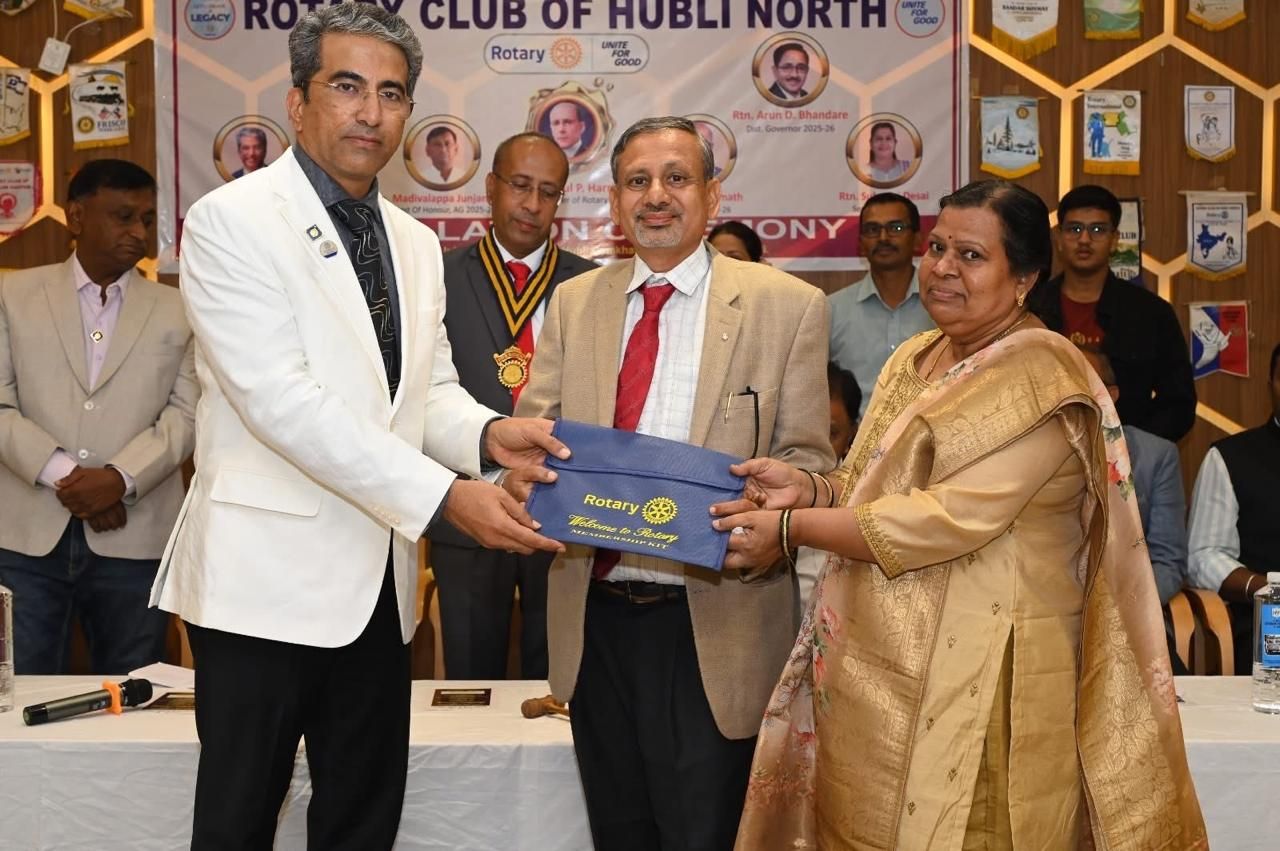
Board of Directors, Rotary Club of Hubli North
Rotary International, District 3170
A serving director of a chartered service organisation: collective responsibility for budget approval, project selection, oversight of disbursement and accountability to the membership.
Programmes
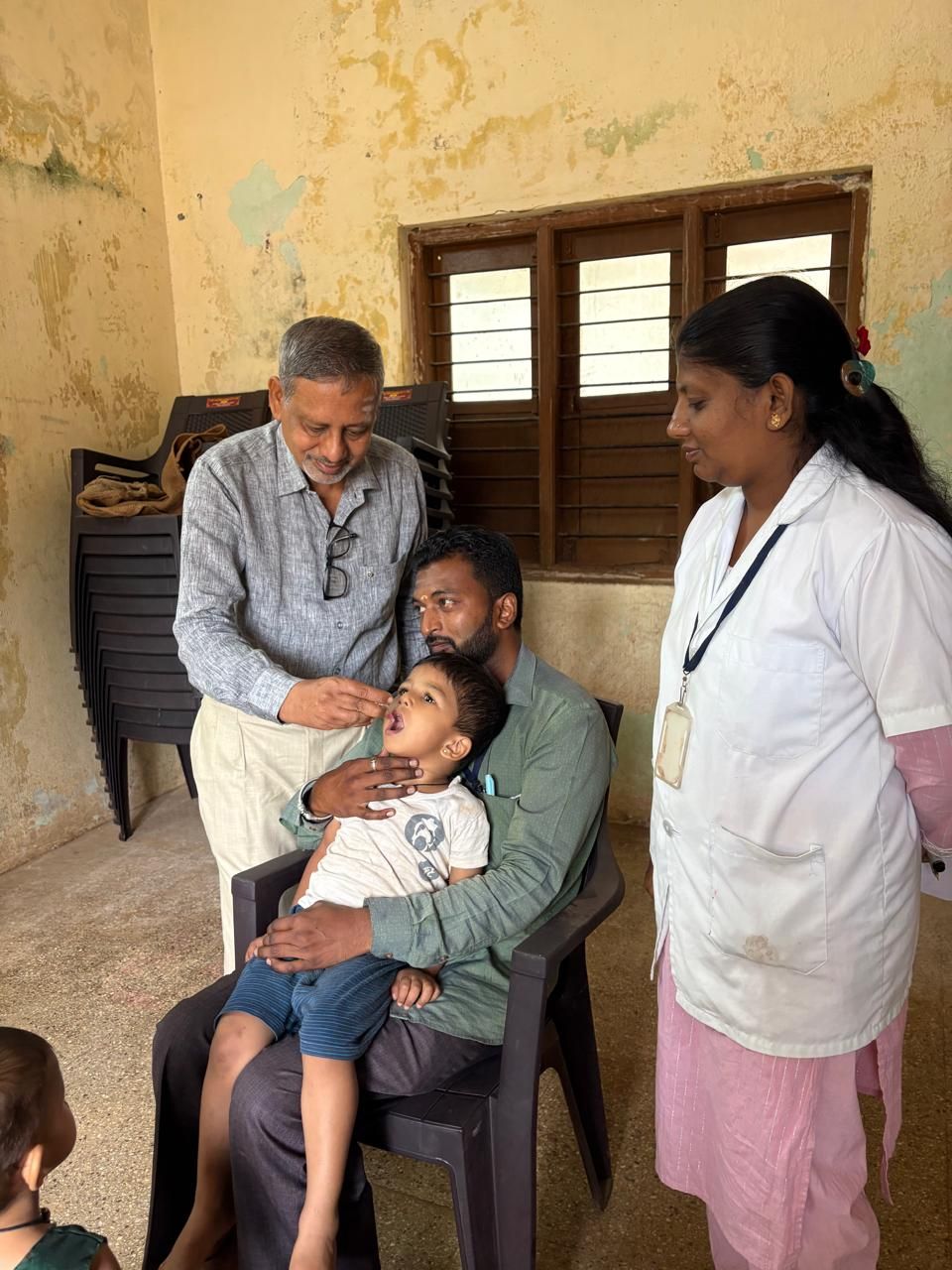
Polio eradication
Participation in Pulse Polio immunisation rounds across rural Hubli, part of Rotary International’s longest-running global commitment.
Bus shelter programme
Provision of public transport shelters for the district — the civic-infrastructure work of forty years, applied at village scale.
Sustainable planting
Tree planting and green-cover initiatives across northern Karnataka, carried out with the club through successive planting seasons.
Mentoring engineers
Four decades of building and leading resident engineering teams across five countries, and a continuing interest in how technical judgement is passed on.
Strategic inquiry
Open to conversations about non-executive and independent director roles in engineering, construction and infrastructure, and to advisory work on project governance, contract administration and delivery assurance. Based between India and the United Arab Emirates.
- basav.h@gmail.com
- Telephone
- +91 97413 80189